


Futuro continuo
El futuro continuo o "future continuous" se usa:
1 Para indicar que una acción que está en ejecución en el futuro es interrumpida por otra acción específica.
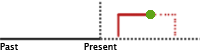
I will be studying when you call me.
Estaré estudiando cuando me llames.
2 Para expresar acciones que estarán en proceso de realización o teniendo lugar en un momento específico del futuro.
Tonight I'll be watching the premiere of last season.
Esta noche estaré viendo el estreno de la última temporada.
3 Para expresar acciones futuras que se desarrollan paralelamente.

Tonight we will be dancing and having a good time.
Esta noche estaremos bailando y pasándolo bien.
4 Para expresar una acción que ha sido planeada para el futuro y que debe llevarse a cabo dentro de un determinado momento (la traducción no será literal, sino con matiz de futuro).
She will be visiting us next Christmas.
Va a visitarnos las próximas Navidades.
En este sentido la diferencia con el "futuro simple" es que "will" suele dar el matiz de voluntad o intención.
Will she visit us next Chrismas?
¿Nos visitará las próximas Navidades? (¿Quiere venir a visitarnos ...?)
Will she be visiting us next Christmas?
¿Va a visitarnos las próximas Navidades? (¿Tiene planeado venir ...?)
5 Para expresar probabilidad, deducción.
We have not called her and she will be getting angry.
No la hemos llamado y estará enfadada.
6 Para preguntar educadamente acerca de los planes de alguien.
Will you be coming tomorrow morning?
¿Vendrás mañana por la mañana? (simplemente quiero saber tus planes de una forma educada; no presiono, ni ordeno)
Are you going to come tomorrow morning? (presiono tu decisión)
Will you come tomorrow morning? (pregunto u ordeno, dependiendo de la entonación)
Formación del "future continuous"
Afirmativo
Sujeto + shall/will + be + verbo en forma -ing
| Forma larga | Forma corta |
|---|---|
| I shall/will be working | I'll be working |
| You will be working | You'll be working |
| He will be working | He'll be working |
| She will be working | She'll be working |
| It will be working | It'll be working |
| We shall/will be working | We'll be working |
| You will be working | You'll be working |
| They will be working | They'll be working |
Ejemplos
| I'll be doing the washing up. | Estaré haciendo la colada. |
| You will be playing cards. | Estarás jugando a las cartas. |
| He'll be enjoying at the party. | Estará disfrutando en la fiesta. |
| She will be studying French. | Estará estudiando francés. |
| It'll be snowing. | Estará nevando. |
| We will be teaching at the university. | Estaremos enseñando en la universidad. |
| You'll be swimming in the sea. | Estaréis nadando. |
| They will be sleeping. | Estarán durmiendo. |
Negativo
| Forma larga | Sujeto + shall/will + not + be + verbo en forma -ing+ ... |
|---|---|
| Forma corta | Sujeto + shan't/won't + be + verbo en forma -ing + ... |
| Sujeto + 'll + not + verbo en forma -ing + ... |
| Forma larga | Forma corta | |
|---|---|---|
| I shall/will not be working | I shan't/won't be working | I'll not be working |
| You will not be working | You won't be working | You'll not be working |
| He will not be working | He won't be working | He'll not be working |
| She will not be working | She won't be working | She'll not be working |
| It will not be working | It won't be working | It'll not be working |
| Shall/We will not be working | We shan't/won't be working | We'll not be working |
| You will not be working | You won't be working | You'll not be working |
| They will not be working | They won't be working | They'll not be working |
Ejemplos
| I'll not be eating anything. | No estaré comiendo nada. |
| You won't be playing basketball. | No estarás jugando al baloncesto. |
| He will not be kissing me "good night". | No estará dándome el beso de buenas noches. |
| She'll not be preparing dinner. | No estará preparando la cena. |
| It won't be flying to London. | No estará volando a Londres. |
| We shan't be driving fast. | No estaremos conduciendo rápido. |
| You will not be feeding the pigs. | No estarás dando de comer a los cerdos. |
| They'll not be having a shower. | No estarán dándose una ducha. |
Interrogativo
Afirmativo
Shall/Will + sujeto + be + verbo en forma -ing + ... ?
Negativo
| Forma larga | Shall/Will + sujeto + not + be + verbo en forma -ing + .... ? |
|---|---|
| Forma corta | Shan't/Won't + sujeto + be + verbo en forma -ing + ... ? |
| Afirmativo | Negativo | Negativo |
|---|---|---|
| Shall/Will I be working? | Shall/Will I not be working? | Shan't/Won't I be working? |
| Will you be working? | Will you not be working? | Won't you be working? |
| Will he be working? | Will he not be working? | Won't he be working? |
| Will she be working? | Will she not be working? | Won't she be working? |
| Will it be working? | Will it not be working? | Won't it be working? |
| Shall/will we be working? | Shall/Will we not be working? | Shan't/Won't we be working? |
| Will you be working? | Will you not be working? | Won't you be working? |
| Will they be working? | Will they not be working? | Won't they be working? |
Ejemplos
| Will I be having a good time? | ¿Estaré pasándomelo bien? |
| Won't you be living there anymore? | ¿No estarás viviendo allí nunca más? |
| Why will he not be cleaning the office with me? | ¿Por qué no estará limpiando la oficina conmigo? |
| Will she be using the telephone tonight? | ¿Estará usando el teléfono esta noche? |
| Won't it be raining when you come back? | ¿No estará lloviendo cuando vuelvas? |
| Shall we be drinking whisky the whole night? | ¿Estaremos bebiendo whisky toda la noche? |
| Will you not be waiting for me? | ¿No estaréis esperándome? |
| Where will they be learning karate? | ¿Dónde estarán aprendiendo kárate? |
Ejercicios
Escribe el verbo marcado en verde en la forma futuro continuo en afirmativo o negativo, según corresponda.
I won't watch TV tonight, I do my homework.
Este campo es obligatorio.
'll/will/shall be doing
'What will you be doing after school today?' 'We play basketball.
Este campo es obligatorio.
'll/will/shall be playing
You / not wait for me when the train arrives?
Este campo es obligatorio.
Will you not (won't you) be waiting
I hope John finish his work when I arrive.
Este campo es obligatorio.
'll/will/shall be finishing
At 8.30 she not listen to the radio.
Este campo es obligatorio.
'll not be listening/ won't (will not) be listening
What not visit by this time tomorrow?
Este campo es obligatorio.
will/shall we be doing
Lucy / not live in her own flat next week?
Este campo es obligatorio.
Won't Lucy be living / Will Lucy not be living
He answer your e-mails by midday.
Este campo es obligatorio.
'll/will be answering
By midnight Paul's flight land in London.
Este campo es obligatorio.
will be landing
This day next month we / not work in this office.
Este campo es obligatorio.
won't/shan't be working
Resumir con IA:
¿Te ha gustado este artículo? ¡Califícalo!


 Cargando...
en el ejercicio, el ejemplo numero 7, pone que esta mal y he puesto la mayuscula tambien y pone como error
¡Hola Oliver, gracias por avisarnos!😊 Revisamos el ejercicio y el ejemplo 7 funciona correctamente de nuestro lado. ¿Nos podrías enviar una captura para revisar por qué te aparece como error? Saludos.
estab en going to y me salio que mi respuesta estaba mal pero era igualita a la oracion aunque sea me ayuda a mi examen desenme suerte pero mejoren un poquito mas viva blackpink y mi patrona Lisa jajjajja
Hola Camila,
¡Gracias por avisar! Revisé los ejercicios y deberían estar funcionando bien.
Puede haber sido algo puntual de la plataforma, te sugiero intentarlo nuevamente. Si te vuelve a pasar, mándame un ejemplo y lo vemos. Saludos.
Hola! si arriba dice ejercicios utilizando futuro continuo porque las respuestas están en futuro simple?
¡Hola Mariana! Gracias por tu comentario. 😊
Arriba dice “ejercicios utilizando futuro continuo”, pero en realidad las instrucciones correctas del ejercicio indican usar “futuro perfecto” o “futuro perfecto continuo”, que son los tiempos verbales adecuados para expresar acciones que estarán terminadas o que habrán estado ocurriendo en un momento específico del futuro.
Por eso, las respuestas no están en futuro simple, sino en:
Futuro perfecto (will have + participio)
Futuro perfecto continuo (will have been + verbo en -ing)
Estos tiempos son los que corresponden a las frases del ejercicio, tal como se muestra en cada solución.
Si necesitas ayuda extra con estos no dudes en contactarnos! 😊 Saludos.
no sirve
Hola Isabella, gracias por tu comentario. Sentimos que no haya funcionado como esperabas. Si nos das más detalles, con gusto lo revisamos y mejoramos. ¡Gracias! Saludos.
Vaya! También revisa la gramática
Que eficiente!