





Futuro perfecto continuo
She will have been working here for five yearswhen she leaves the company.
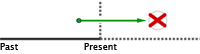
El futuro perfecto continuo o "future perfect continuous" se usa para expresar cuánto tiempo habrá durado una acción en un determinado momento del futuro.
Este tiempo verbal enfatiza la continuidad de un acontecimiento en un momento futuro. Es necesario indicar la duración de la acción (one year, two days, etc.) y el momento futuro que se toma como referencia (tomorrow, next year, etc.).
Habrá estado trabajando aquí cinco años (duración de la acción) cuando deje la compañía (momento de referencia en el futuro).
En el lenguaje coloquial se traduce por:
"Llevar" + gerundio
She'll have been working here for five years by the end of this year.
Llevará trabajando aquí cinco años a finales de este año.
Afirmativo
Sujeto + will + have + been + verbo en forma -ing + ...
| Forma larga | Forma corta |
|---|---|
| I shall/will have been working | I'll have been working |
| You will have been working | You'll have been working |
| He will have been working | He'll have been working |
| She will have been working | She'll have been working |
| It will have been working | It'll have been working |
| We shall/will have been working | We'll have been working |
| You will have been working | You'll have been working |
| They will have been working | They'll have been working |
Ejemplos
| I'll have been running for over an hour. | Llevaré corriendo más de una hora. |
| You will have been saving money for 50 years. | Habrás estado ahorrando dinero 50 años. |
| He'll have been preparing dinner for two hours. | Llevará preparando la cena dos horas. |
| She will have been waiting for two days. | Habrá estado esperando dos días. |
| It'll have been working properly. | Habrá estado funcionando bien. |
| We shall have been teaching English for at least a month. | Habremos estado enseñando inglés durante al menos un mes. |
| You'll have been driving over 24 hours | Llevaremos conduciendo más de 24 horas. |
| They will have been living together for long. | Llevarán viviendo juntos mucho tiempo. |
Negativo
| Forma larga | Sujeto + shall/will + not + have + been + verbo en forma -ing + ... |
|---|---|
| Forma corta | Sujeto + shan't/won't + have + been + verbo en forma -ing + ... |
| Forma larga | Forma corta |
|---|---|
| I shall/will not have been working | I shan't/won't have been working |
| You will not have been working | You won't have been working |
| He will not have been working | He won't have been working |
| She will not have been working | She won't have been working |
| It will not have been working | It won't have been working |
| We shall/will not have been working | We shan't/won't have been working |
| You will not have been working | You won't have been working |
| They will not have been working | They won't have been working |
Ejemplos
| I'll not have been hiding anything. | No habré estado ocultando nada. |
| You will not have been watching TV. | No habréis estado viendo la tele. |
| He won't have been playing cards. | No habréis estado jugando a las cartas. |
| She'll not have been using my bike. | No habrá estado usando mi bici. |
| We shall not have been fighting each other. | No habremos estado pegándonos. |
| You'll not have been studying hard. | No habréis estado estudiando duro. |
| They won't have been travelling for over a year. | No llevaréis viajando más de un año. |
Interrogativo
Afirmativo
Shall/Will + sujeto + have + been + verbo en forma -ing + ... ?
Negativo
| Forma larga | Shall/Will + sujeto + not + have + been + verbo en forma -ing + ...? |
|---|---|
| Forma corta | Shan't/Won't + sujeto + have + been + verbo en forma -ing + ...? |
| Afirmativo | Negativo | |
|---|---|---|
| Shall/Will I have been working? | Shall/Will I not have been working? | Shall/Won't I have been working? |
| Will you have been working? | Will you not have been working? | Won't you have been working? |
| Will he have been working? | Will he not have been working? | Won't he have been working? |
| Will she have been working? | Will she not have been working? | Won't she have been working? |
| Will it have been working? | Will it not have been working? | Won't it have been working? |
| Shan't/Will we have been working? | Shan't/Will we not have been working? | Shan't/Won't we have been working? |
| Will you have been working? | Will you not have been working? | Won't you have been working? |
| Will they have been working? | Will they not have been working? | Won't they have been working? |
Ejemplos
| Will I have been cleaning the house for two hours? | ¿Llevaré limpiando la casa dos horas? |
| Won't you have been driving fast? | ¿No habréis estado conduciendo rápido? |
| Will she not have been living in Japan? | ¿No habrá estado viviendo en Japón? |
| Will she have been travelling to New York? | ¿Habrá estado viajando a Nueva York? |
| Won't it have been flying to London? | ¿No habrá estado volando a Londres? |
| Shall we have been doing the shopping for over two hours? | ¿Llevaremos haciendo la compra durante más de dos horas? |
| Won't you have been watching TV? | ¿No habréis estado viendo la televisión? |
| How long will you have been studying when you graduate? | ¿Cuánto tiempo llevaréis estudiando cuando os graduéis? |
Ejercicios
Escribe el verbo marcado en verde en la forma del futuro perfecto.
Next friday he live in Berlin for two years.
Este campo es obligatorio.
'll/will have been living
I train three hours a day for two months before the competition.
Este campo es obligatorio.
'll/will/shall have been training
On August the 20th we plan my trip to Switzerland for two months.
Este campo es obligatorio.
'll/will/shall have been planning
I'm sure they not do their homework.
Este campo es obligatorio.
will not/won't/shan't have been doing
She / organize her books?
Este campo es obligatorio.
Will she have been organizing
Come home on Saturday! My swimming pool fill during the week.
Este campo es obligatorio.
will have been filling
On September my children not go to school for three months.
Este campo es obligatorio.
won't / will not have been going
You and your wife/not travel for two years since you got married?
Este campo es obligatorio.
Will you and your wife have been traveling
In two hours we prepare the exhibition for two weeks.
Este campo es obligatorio.
'll/will/shall have been preparing
Ten more pages and I read hundred of exams in only five days.
Este campo es obligatorio.
'll/will/shall have been reading
Si estás buscando clases de ingles online o un curso intensivo ingles, te invitamos a que le eches un vistazo a nuestros profesores.
Resumir con IA:
¿Te ha gustado este artículo? ¡Califícalo!


 Cargando...
en el ejercicio, el ejemplo numero 7, pone que esta mal y he puesto la mayuscula tambien y pone como error
¡Hola Oliver, gracias por avisarnos!😊 Revisamos el ejercicio y el ejemplo 7 funciona correctamente de nuestro lado. ¿Nos podrías enviar una captura para revisar por qué te aparece como error? Saludos.
estab en going to y me salio que mi respuesta estaba mal pero era igualita a la oracion aunque sea me ayuda a mi examen desenme suerte pero mejoren un poquito mas viva blackpink y mi patrona Lisa jajjajja
Hola Camila,
¡Gracias por avisar! Revisé los ejercicios y deberían estar funcionando bien.
Puede haber sido algo puntual de la plataforma, te sugiero intentarlo nuevamente. Si te vuelve a pasar, mándame un ejemplo y lo vemos. Saludos.
Hola! si arriba dice ejercicios utilizando futuro continuo porque las respuestas están en futuro simple?
¡Hola Mariana! Gracias por tu comentario. 😊
Arriba dice “ejercicios utilizando futuro continuo”, pero en realidad las instrucciones correctas del ejercicio indican usar “futuro perfecto” o “futuro perfecto continuo”, que son los tiempos verbales adecuados para expresar acciones que estarán terminadas o que habrán estado ocurriendo en un momento específico del futuro.
Por eso, las respuestas no están en futuro simple, sino en:
Futuro perfecto (will have + participio)
Futuro perfecto continuo (will have been + verbo en -ing)
Estos tiempos son los que corresponden a las frases del ejercicio, tal como se muestra en cada solución.
Si necesitas ayuda extra con estos no dudes en contactarnos! 😊 Saludos.
no sirve
Hola Isabella, gracias por tu comentario. Sentimos que no haya funcionado como esperabas. Si nos das más detalles, con gusto lo revisamos y mejoramos. ¡Gracias! Saludos.
Vaya! También revisa la gramática
Que eficiente!