





Futuro perfecto
El futuro perfecto o "future perfect" se usa para acciones o estados que habrán terminado en un momento dado en el futuro.
Suele ir acompañado por la preposición "by" (por/para) o la expresión adverbial "by the time" (para cuando).
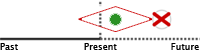
I'll have finished my exams by next Monday.
Habré terminado mis exámenes para el lunes que viene.
También se usa para indicar suposición.
Don't phone her. She will have left.
No la llames por teléfono. Se habrá marchado.
Afirmativo
Sujeto + shall/will + have + past participle del verbo + ...
Para la primera persona del singular y plural se utilizan indistintamente "shall" y "will" aunque la tendencia es a usar "will" para todas las personas.
En inglés americano normalmente no se usa "shall".
En las formas afirmativas contraídas no es necesario distinguir entre will y shall, ya que gráficamente ambas se expresan como 'll.
| Forma larga | Forma corta |
|---|---|
| I shall/will have worked | I'll have worked |
| You will have worked | You'll have worked |
| He will have worked | He'll have worked |
| She will have worked | She'll have worked |
| It will have worked | It'll have worked |
| We shall/willl have worked | We'll have worked |
| You will have worked | You'll have worked |
| They will have worked | They'll have worked |
Ejemplos
| I'll have finished by the time you get home. | Habré terminado para cuando llegues a casa. |
| He will have decided to leave. | Habrá decidido marcharse. |
| They'll have studied the lesson by Saturday. | Habrán estudiado la lección para el sábado. |
Negativo
| Forma larga | Sujeto + shall /will + not + have + verbo en past participle + ... |
|---|---|
| Forma corta | Sujeto + shan't/ won't + have + verbo en past participle + ... |
| Forma larga | Forma corta |
|---|---|
| I shall/will not have worked | I shan't/won't have worked |
| You will not have worked | You won't have worked |
| He will not have worked | He won't have worked |
| She will not have worked | She won't have worked |
| It will not have worked | It won't have worked |
| We shall/will not have worked | We shan't/won't have worked |
| You will not have worked | You won't have worked |
| They will not have worked | They won't have worked |
Ejemplos
| I'll not have cleaned the house by Saturday. | No habré limpiado la casa para el sábado. |
| You will not have finished your exam by 10 o'clock. | No habrás terminado tu examen para las diez. |
| He won't have translated the letters by the time she leaves. | No habrá traducido las cartas para cuando se vaya. |
| She'll not have visited her mother by noon. | No habrá visitado a su madre para el mediodía. |
| It will not have sailed before we get to the port. | No habrá zarpado antes de que lleguemos al puerto. |
| We shall not have finished our task by this evening. | No habremos terminado nuestra tarea para esta tarde. |
| You'll not have travelled to Lisbon by the end of the year. | No habrás viajado a Lisboa para finales de año. |
| They won't have forgotten me by then. | No me habrán olvidado para entonces. |
Interrogativo
Afirmativo
Shall/Will + sujeto + have + verbo en past participle + ...?
Negativo
| Forma larga | Shall/Will + sujeto + not + have + verbo en past participle + ...? |
|---|---|
| Forma corta | Shan't/Won't + sujeto + have + verbo en past participle + ...? |
| Afirmativo | Negativo | |
|---|---|---|
| Shall/Will I have worked? | Shall/Will I not have worked? | Shan't/Won't I have worked? |
| Will you have worked? | Will you not have worked? | Won't you have worked? |
| Will he have worked? | Will he not have worked? | Won't he have worked? |
| Will she have worked? | Will she not have worked? | Won't she have worked? |
| Will it have worked? | Will it not have worked? | Won't it have worked? |
| Shall/Will we have worked? | Shall/Will we not have worked? | Shan't/Won't we have worked? |
| Will you have worked? | Will you not have worked? | Won't you have worked? |
| Will they have worked? | Will they not have worked? | Won't they have worked? |
Ejemplos
| Will I have received it by 8 o'clock? | ¿Lo habré recibido para las 8? |
| Where will you have discussed it with your husband? | ¿Dónde lo habrás discutido con tu marido? |
| Won't he have typed his essay by the time his teacher arrives? | ¿No habrá escrito a máquina su ensayo para cuando llegue su profesor? |
| Will she have paid a lot of money by the end of the season? | ¿Habrá pagado mucho dinero para final de temporada? |
| Will it not have rained by then? | ¿No habrá llovido para entonces? |
| Shall we have done the ironing tomorrow? | ¿Habremos planchado para mañana? |
| Won't you have repaired the washing machine before the party? | ¿No habréis reparado la lavadora antes de la fiesta? |
| When will they have arrested the criminal? | ¿Cuándo habrán arrestado al criminal? |
Ejercicios
Escribe el verbo marcado en verde en la forma del futuro perfecto.
He finish his work at 7 o'clock.
Este campo es obligatorio.
'll/will have finished
We are late, the film start when we arrive.
Este campo es obligatorio.
will have started
Next month my sister go to study to Cambridge.
Este campo es obligatorio.
will have gone
We / not learn to speak in French in two years?
Este campo es obligatorio.
Will we not/Won't/Shan't we have learnt
When you/start your work?
Este campo es obligatorio.
will you have started
I listen your CD by midnight.
Este campo es obligatorio.
'll/will/shall have listened
He make a cake for his birthday tomorrow.
Este campo es obligatorio.
'll/will have made
Her mother leave the hospital this afternoon.
Este campo es obligatorio.
will have left
When you come back from Africa, you see more than you have ever imagined.
Este campo es obligatorio.
'll/ will have been seen
She / not read the novel in a month?
Este campo es obligatorio.
Won't she have read / will she not have read
¡Contacta con uno de nuestros profesores y empieza ya tus clases de ingles online!
Resumir con IA:
¿Te ha gustado este artículo? ¡Califícalo!


 Cargando...
La plantilla de corrección presenta errores, es el caso de la tercera pregunta, ____ to my mother? con dos alternativas de respuestas, a saber: 1)Are your mother talking y la 2) Is your mother talking; corrige la segunda como correcta, lo cual es falso porque como ya sabemos en el verbo To be (am, are, is), la segunda persona del singular (you), corresponde en el presente simple a la forma de are.
¡Hola! ¡Gracias por comentarnos! 😊 Revisamos la pregunta y la plantilla de corrección, y está funcionando correctamente. De todas formas, quedamos atentos si encuentras algún otro detalle para poder revisarlo. ¡Gracias por ayudarnos a mejorar!
no utlizan bien los verbos reflexivos y tambien algunos adjetivos estan mal utilizados, el adjetivo malo, utilizado despues de un sustantivo no significa lo mismo que mal delante del sustantivo
¡Hola! Muchas gracias por tu comentario.Como bien señalas, en español malo colocado después de un sustantivo no transmite lo mismo que mal colocado antes, y esta diferencia es importante tenerla en cuenta. Me alegra ver que lo identificaste y lo relacionaste con lo que aprendiste en el artículo. Vamos a seguir trabajando en estos puntos para afinar tanto el uso de verbos como el de adjetivos. ¿Hay algo en el texto que te parezca específicamente mal utilizado y que podamos corregir?
¡Muchas gracias!
Saludos.
Corrige mal, estan bien y me pone que estan mal, enzima en la correccion pone que esta bien la que yo he puesto antes pero me marca mal
¡Hola Jon! Muchas gracias por avisar y disculpa por las molestias que esto te haya causado.
Revisamos el sistema y ya debería estar funcionando correctamente.
Probablemente fue un error temporal relacionado con las cookies o el navegador.
Te recomiendo borrar las cookies o probar en modo incógnito, y si el problema persiste, por favor, avísame para ayudarte de inmediato.
¡Gracias por tu paciencia y comprensión! 😊
Saludos.
Hola, a mí también me pasa lo mismo, me borra las respuestas y corrige como si no hubiera marcado nada e incluso lo intente borrando las cookies y entrando en incógnito, pero pasa lo mismo.
¡Hola Karol! Gracias por tu mensaje. Ya probé el ejercicio y debería funcionar correctamente. ¿Podrías intentar nuevamente y avisarme si el problema persiste?
Saludos.
Ejercicio fatal, lo relleno y cuando he terminado, subo para comprobar y me sale que no he rellenado nada. No se si es problema mio pero ya lo he probado por dos dispositivos y sigue sin funcionarme. Un desasdre.
¡Hola! Muchas gracias por avisar y disculpa por las molestias que esto te haya causado.
Revisamos el sistema y ya debería estar funcionando correctamente.
Probablemente fue un error temporal relacionado con las cookies o el navegador.
Te recomiendo borrar las cookies o probar en modo incógnito, y si el problema persiste, por favor avísame para ayudarte de inmediato.
¡Gracias por tu paciencia y comprensión! 😊
Saludos.